
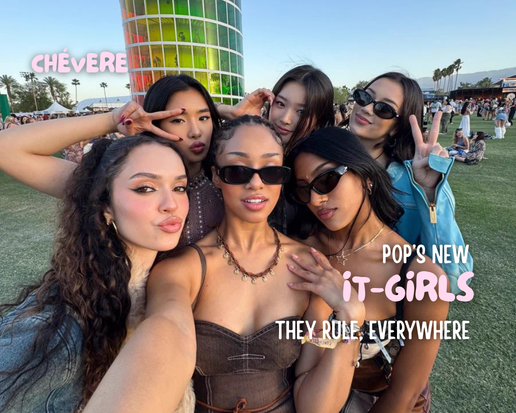
From KATSEYE and XG to Adéla, a new generation of pop girls is bringing personality, fashion, and full-blown star power back to pop.
Something is happening in pop music right now.
After years when a song could become enormous without necessarily turning the person behind it into a household name, the pop star feels important again. Not just the music, but the whole package: the personality, the fashion, the interviews, the choreography, the visuals, and that slightly impossible-to-define quality that makes you want to know more.
And a few names keep showing up in that conversation: KATSEYE, XG, and Adéla
They are all doing very different things, but together they represent a new generation of pop acts that understand something essential: being good is one thing. Being interesting is another.
Who Is KATSEYE?
KATSEYE is a six-member global girl group made up of Daniela, Lara, Manon, Megan, Sophia, and Yoonchae
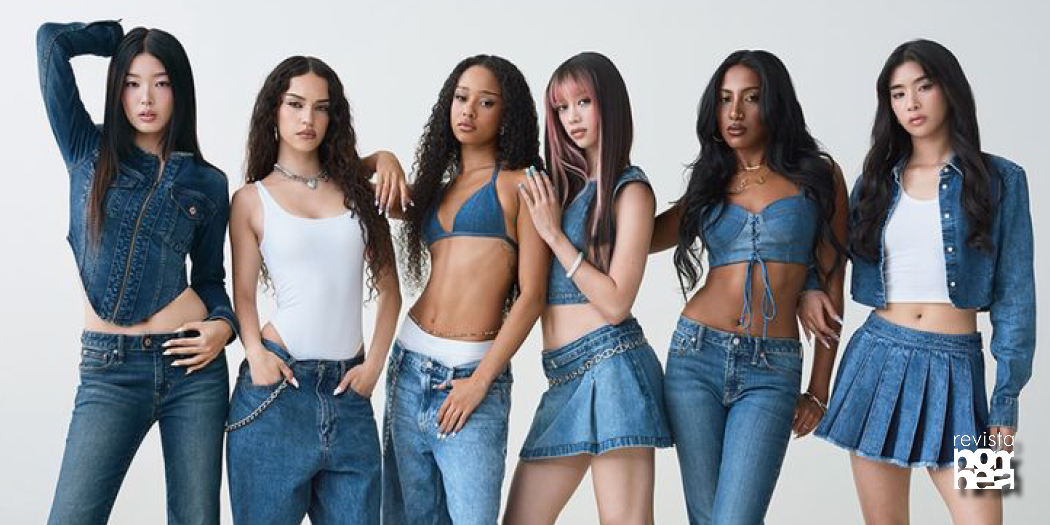
And while the music certainly matters, a huge part of their appeal is that KATSEYE feels like a girl group in the old-school sense of the word
You are supposed to have a favorite.
Each member has her own personality, style, and presence. Fans follow their friendships, watch their interviews, learn the choreography, recreate the outfits, and debate everything from favorite songs to favorite members.
That sense of individuality within the group is part of what has made them so compelling.
They feel polished without feeling anonymous.
And in an era dominated by solo artists, there is something genuinely fun about watching a girl group become culturally relevant again.
Then There’s XG
If KATSEYE feels like the polished global-pop group of the moment, XG feels like the group operating in its own universe entirely
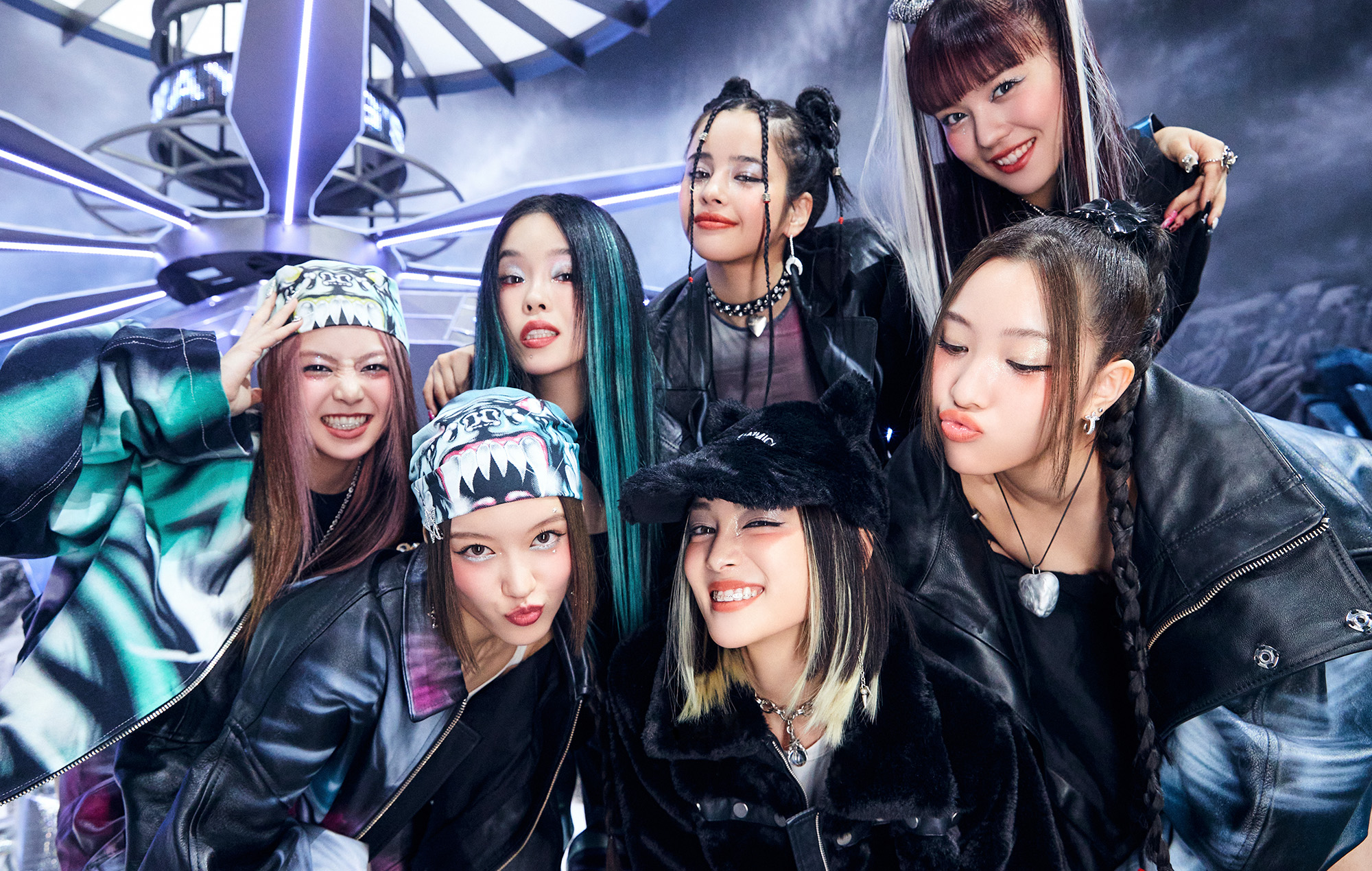
The seven-member Japanese groupn Jurin, Chisa, Hinata, Harvey, Juria, Maya, and Cocona has built an identity around sharp choreography, hip-hop and R&B influences, futuristic visuals, and some of the most recognizable styling in current pop.
XG doesn’t really look like anyone else.
And that is a huge part of their appeal.
Their videos feel conceptual. Their fashion can move from cyberpunk to Y2K to high fashion in a single era. Members experiment with dramatic hair, makeup, silhouettes, and styling choices that would feel risky on almost anyone else.
But somehow, it all makes sense within the world they have created.
They are also a perfect example of how blurry the boundaries of pop music have become.
They are Japanese, perform largely in English, train within a system influenced by K-pop, and have built a global audience that does not fit neatly into any single market.
That kind of cross-cultural identity would have been much harder to imagine in mainstream pop twenty years ago.
Now, it feels like the future.
And Then There’s Adéla

Adéla occupies a completely different corner of the same pop landscape.
Rather than fitting neatly into the traditional polished-pop mold, she has built an identity that feels a little darker, stranger, and more unpredictable.
Her fashion is part of it.
The changing hair, bleached brows, dramatic styling, and highly considered visuals make her instantly recognizable. But beneath all of that is the sense that Adéla is still experimenting—and letting people watch as she figures out exactly what kind of artist she wants to become.
That might actually be one of her greatest strengths.
She doesn’t feel like someone who appeared overnight with a perfectly market-tested identity.
She feels like someone becoming a pop star in real time
And audiences seem increasingly drawn to that.
Why Do They Feel So Different From the Pop Stars of a Few Years Ago?
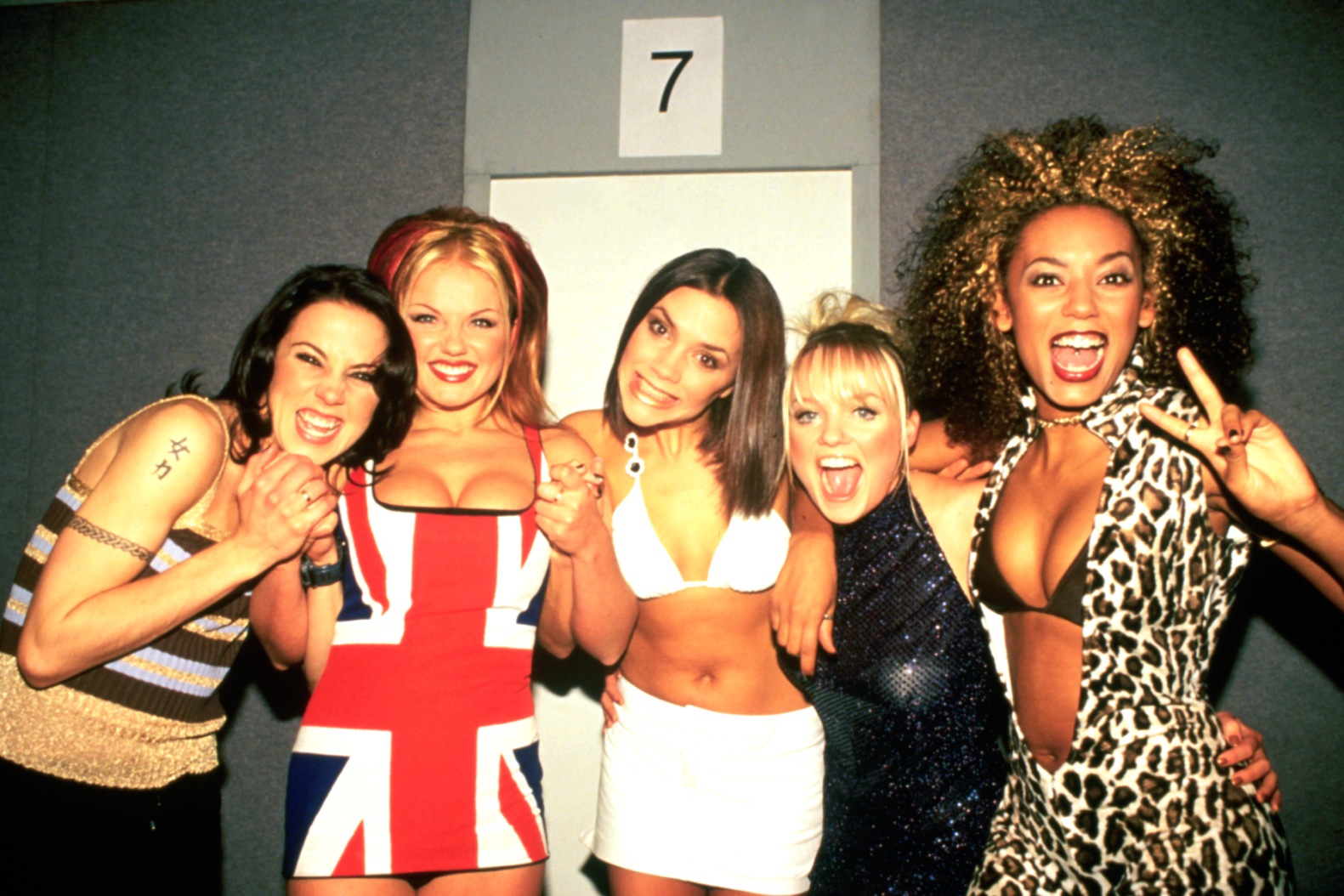
Because personality is becoming valuable again.
For a while, pop culture became obsessed with virality.
A song needed a TikTok moment. A chorus needed to work in fifteen seconds. Artists were expected to constantly produce content, and suddenly it was possible for millions of people to know a song without knowing almost anything about the person singing it.
But a viral song and an It-girl are two completely different things.
An It-girl makes you curious.
You want to know what she is wearing. What she is listening to. What she will do next. You remember the interview. You save the outfit. You recognize the music video before the song even starts.
That is the kind of relationship pop audiences appear to be craving again.
And KATSEYE, XG, and Adéla all understand it—just in completely different ways.
Why Are KATSEYE and XG Everywhere?
Because both groups give fans something much bigger than a playlist.
KATSEYE gives you personalities, friendships, choreography, fashion, interviews, and the fun of choosing a favorite member.
XG gives you a fully realized visual world.
With XG, every release feels like another opportunity to ask: What are they going to do this time?

The hair changes.
The makeup changes.
The silhouettes change.
The sound shifts.
But the identity remains unmistakably theirs.
And both groups reflect a much larger shift in pop culture.
The next major pop act no longer has to come exclusively from Los Angeles, London, or New York. Fans in Chicago, Seoul, Tokyo, Manila, Paris, or Mexico City can discover the same artist at practically the same time.
Pop is becoming increasingly global—and the artists succeeding within it are beginning to look global too.
Why Is Everyone Suddenly Talking About Adéla?
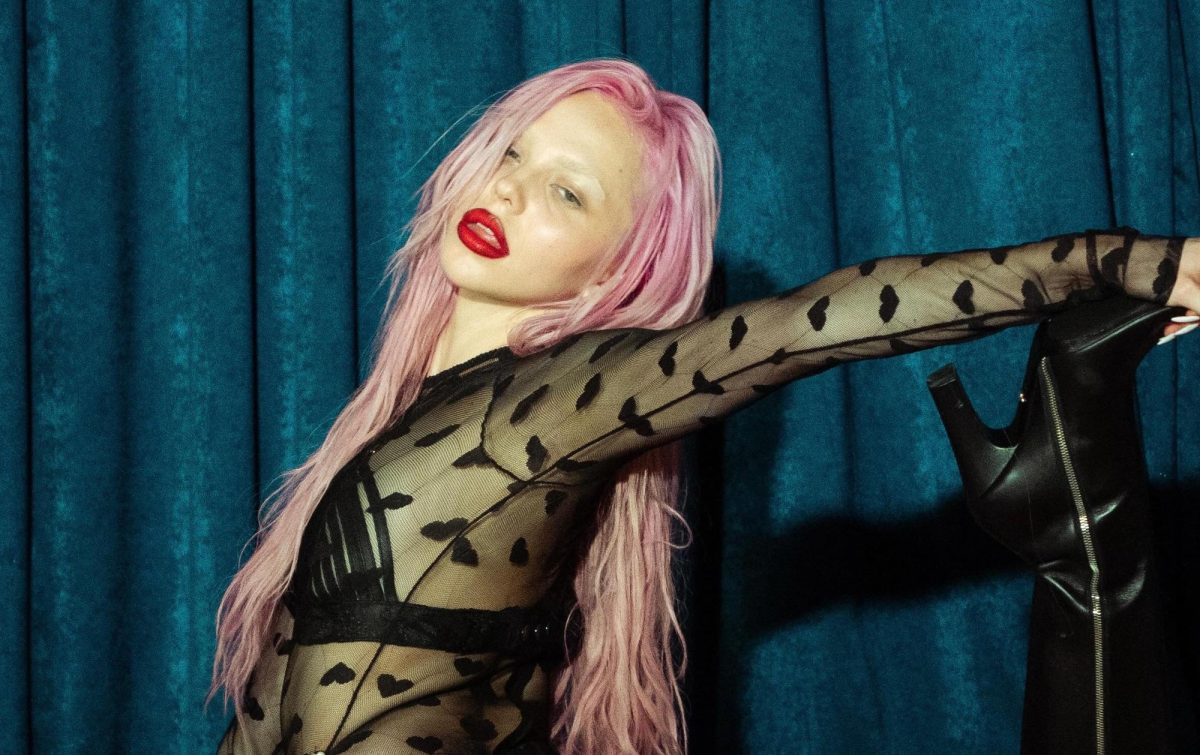
Because she offers almost the opposite fantasy.
Where KATSEYE represents the chemistry of a group and XG represents maximal world-building, Adéla represents individuality.
There is something slightly unpredictable about her image that makes people pay attention.
She is not trying to be the universally approachable girl next door. Her visuals can be strange. Her styling can be provocative. Her music and image continue to shift.
And that gives audiences something pop music sometimes forgets it needs: curiosity
You might not completely understand what she is doing yet.
But you want to see what she does next.
That is It-girl currency.
When Did Being a Pop Fan Become Fun Again?
Maybe that is the bigger story.
For the first time in a while, following a new pop act feels like more than simply adding a song to a playlist.
There are members to choose from.
Choreography to learn.
Outfits to save.
Music videos to dissect.
New looks to discuss.
Personalities to become weirdly invested in.
And entire visual worlds to follow from one release to the next.
That has always been one of the best parts of pop music.
The greatest pop stars never gave us just music.
They gave us eras
They gave us performances, fashion moments, transformations, interviews, controversy, and personalities big enough to become part of the culture surrounding the songs.
This new generation seems to understand that instinctively.
So, Who Are Pop’s New It-Girls?
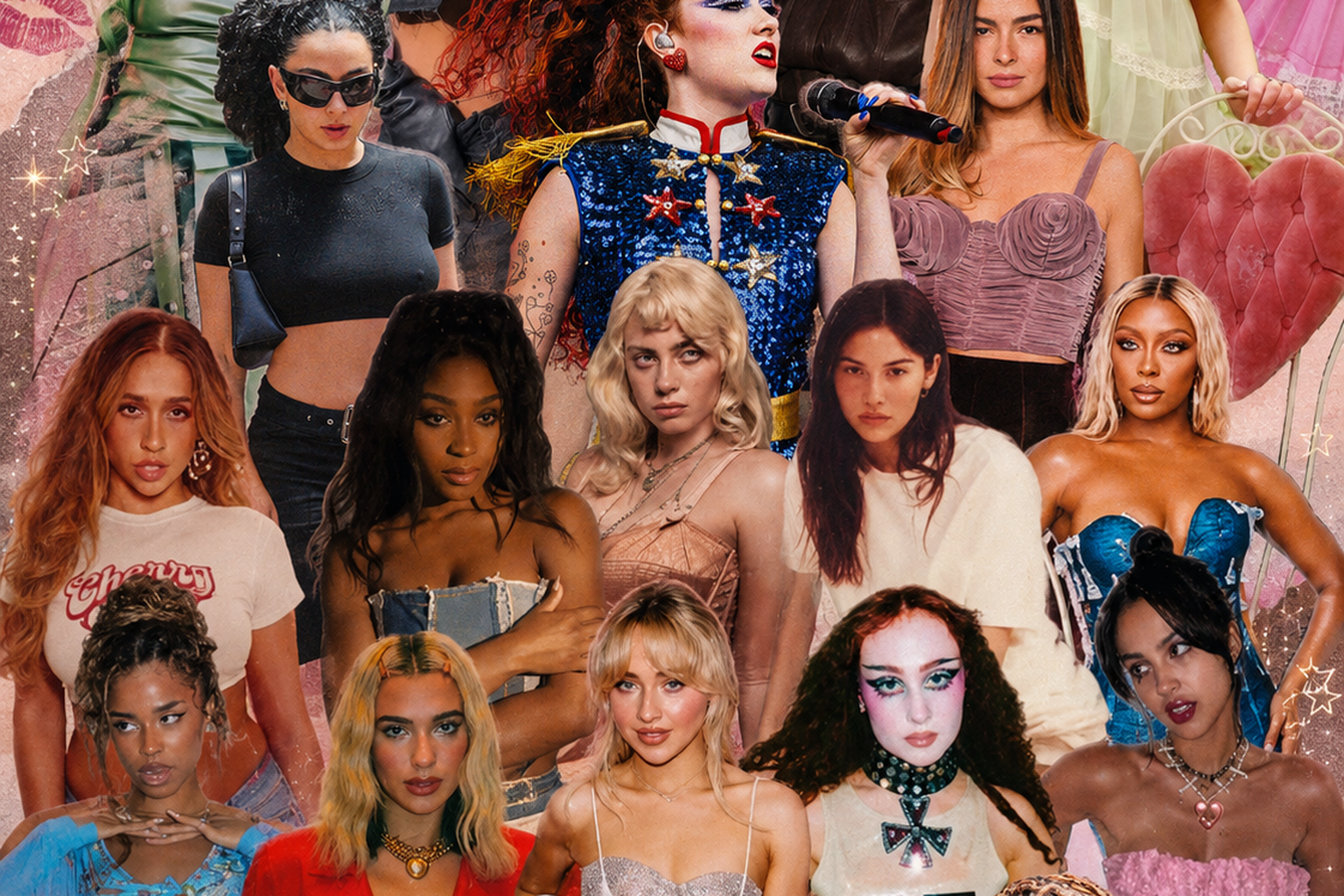
They are groups like KATSEYE, making the major girl group feel exciting again.
They are groups like XG, proving that some of pop’s most interesting ideas are coming from artists who refuse to fit neatly into one genre, country, or aesthetic.
And they are artists like Adéla, whose individuality and unpredictability make people curious enough to keep watching.
They represent three very different versions of the same shift.
Pop stars are becoming stars again.
The song still matters.
But now we want the fashion, the personality, the choreography, the lore, the world-building, and the feeling that we are watching someone become culturally important right in front of us.
And maybe that is why they suddenly seem to be everywhere.
Until next week — stay chévere