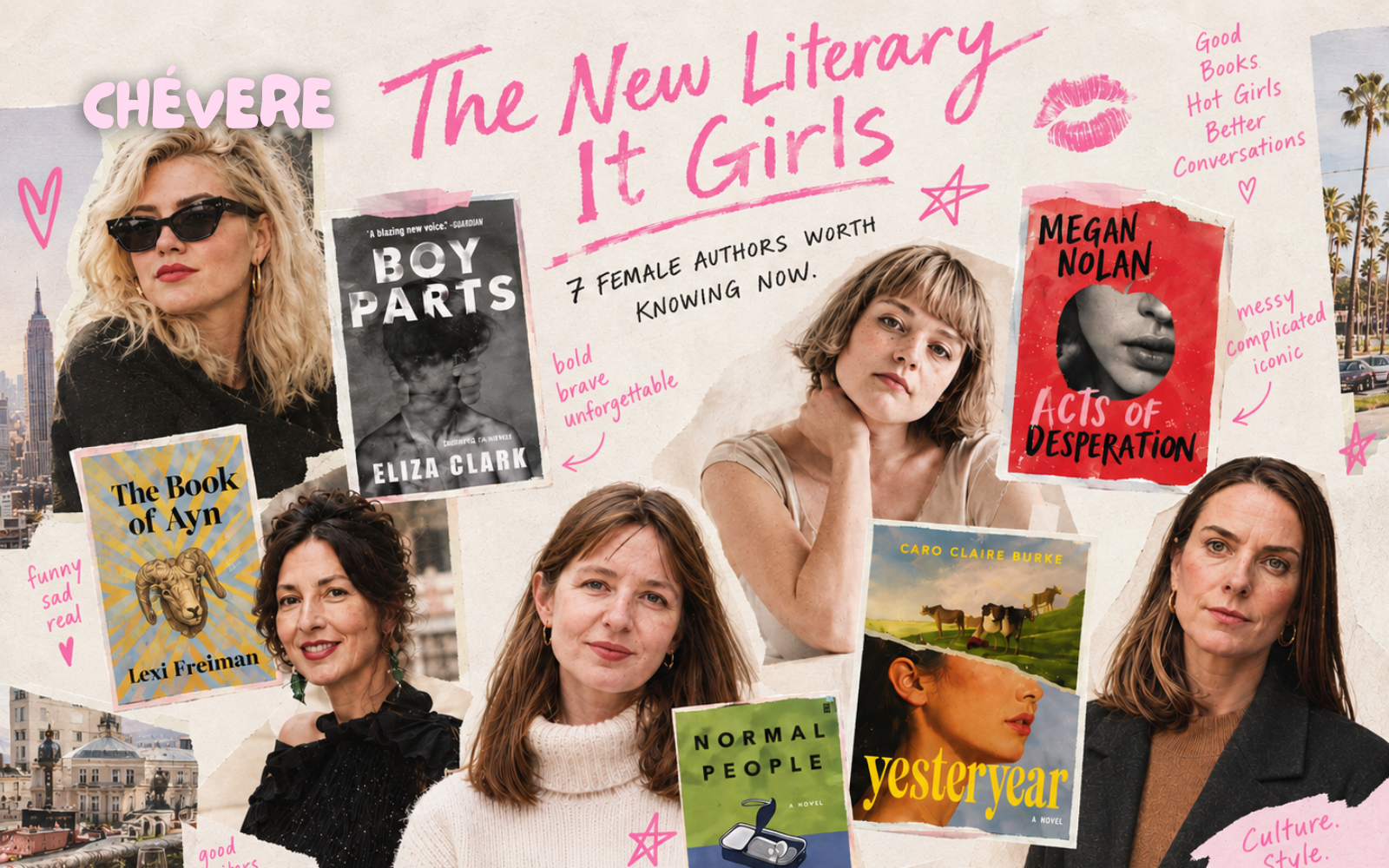
The writers making contemporary fiction feel sharp, strange, glamorous, uncomfortable—and exciting again.
There is a particular kind of book that starts appearing everywhere at once. On nightstands. In perfectly styled Instagram photos. In group chats accompanied by, You need to read this immediately.
The newest generation of literary women isn't particularly interested in giving us likable heroines or tidy lessons. Their characters are obsessive, self-destructive, ambitious, online, lonely, funny, occasionally terrible, and usually much more interesting because of it.
Not everyone on this list is technically new. But together, they represent the corner of contemporary fiction we're most interested in right now: books with personality, a little darkness, and something to argue about after you've finished.
Eliza Clark
**Start with: Boy Parts**
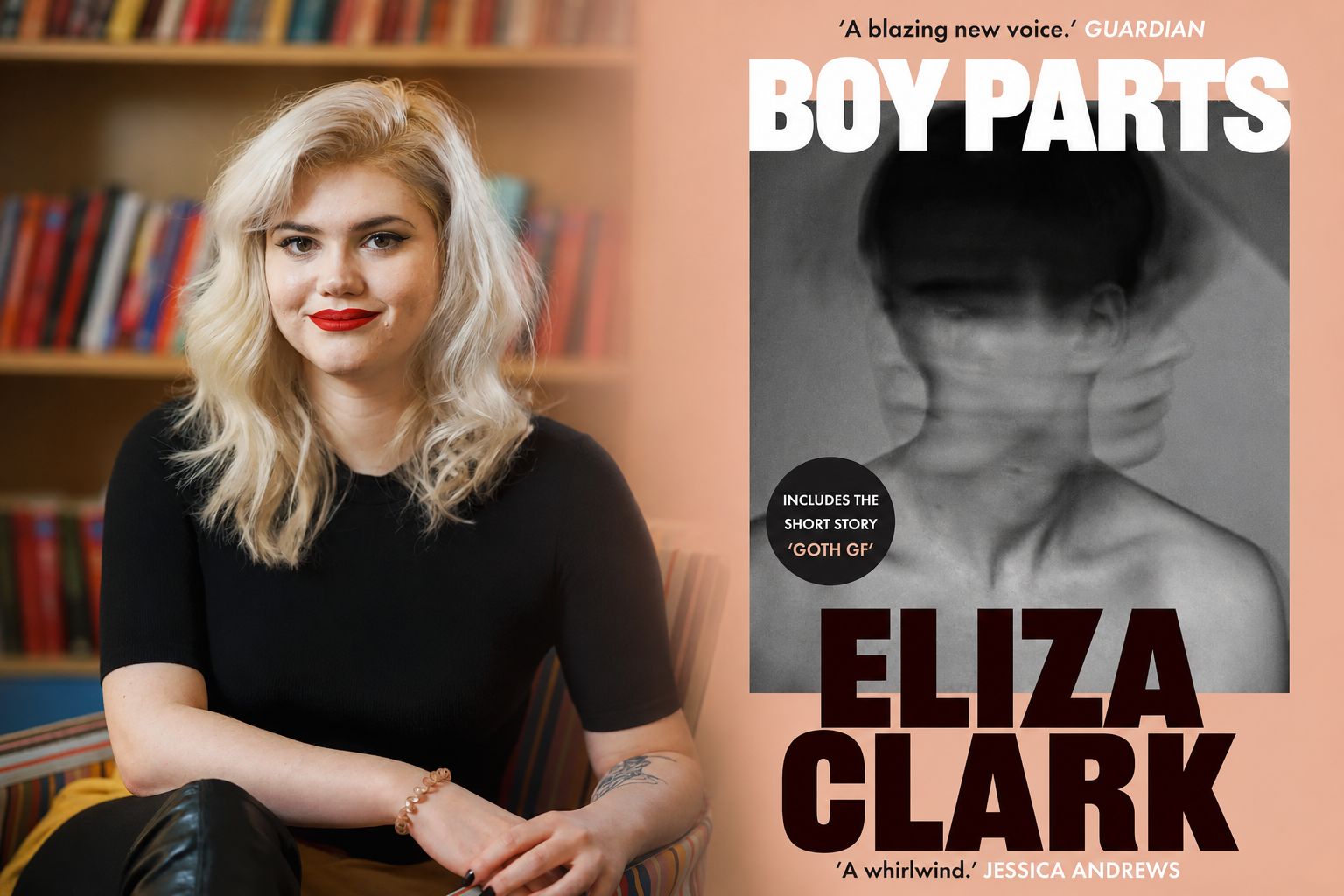
If you like your books dark, funny, uncomfortable, and populated by women who would make absolutely terrible friends, start here.
Eliza Clark's Boy Parts follows Irina, a photographer whose fascination with photographing ordinary-looking men becomes increasingly disturbing. Clark has since followed it with Penance and the story collection She's Always Hungry, building a body of work interested in power, gender, violence, internet culture, and the kinds of women literature doesn't always ask us to root for.
She's especially good at creating that dangerous reading experience where you know you probably shouldn't be enjoying yourself this much.
Coco Mellors
**Start with: Cleopatra and Frankenstein**
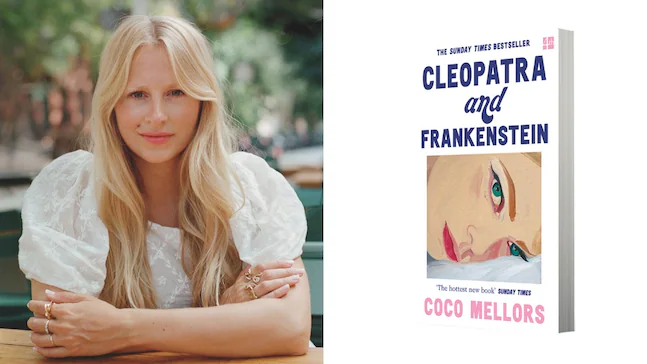
Coco Mellors writes about beautiful, complicated people making questionable decisions in very attractive places—which sounds superficial until you're suddenly emotionally devastated.
Her debut, Cleopatra and Frankenstein, explored a whirlwind marriage and the messy circle surrounding it. Blue Sisters turned toward grief, addiction, family, and the strange intimacy of sisterhood, following three sisters returning to New York after the death of their fourth.
Mellors is particularly good at mixing glamour with sadness. The apartment is gorgeous. The outfit is good. The relationship is falling apart.
Perfect.
Sally Rooney
**Start with: Normal People**
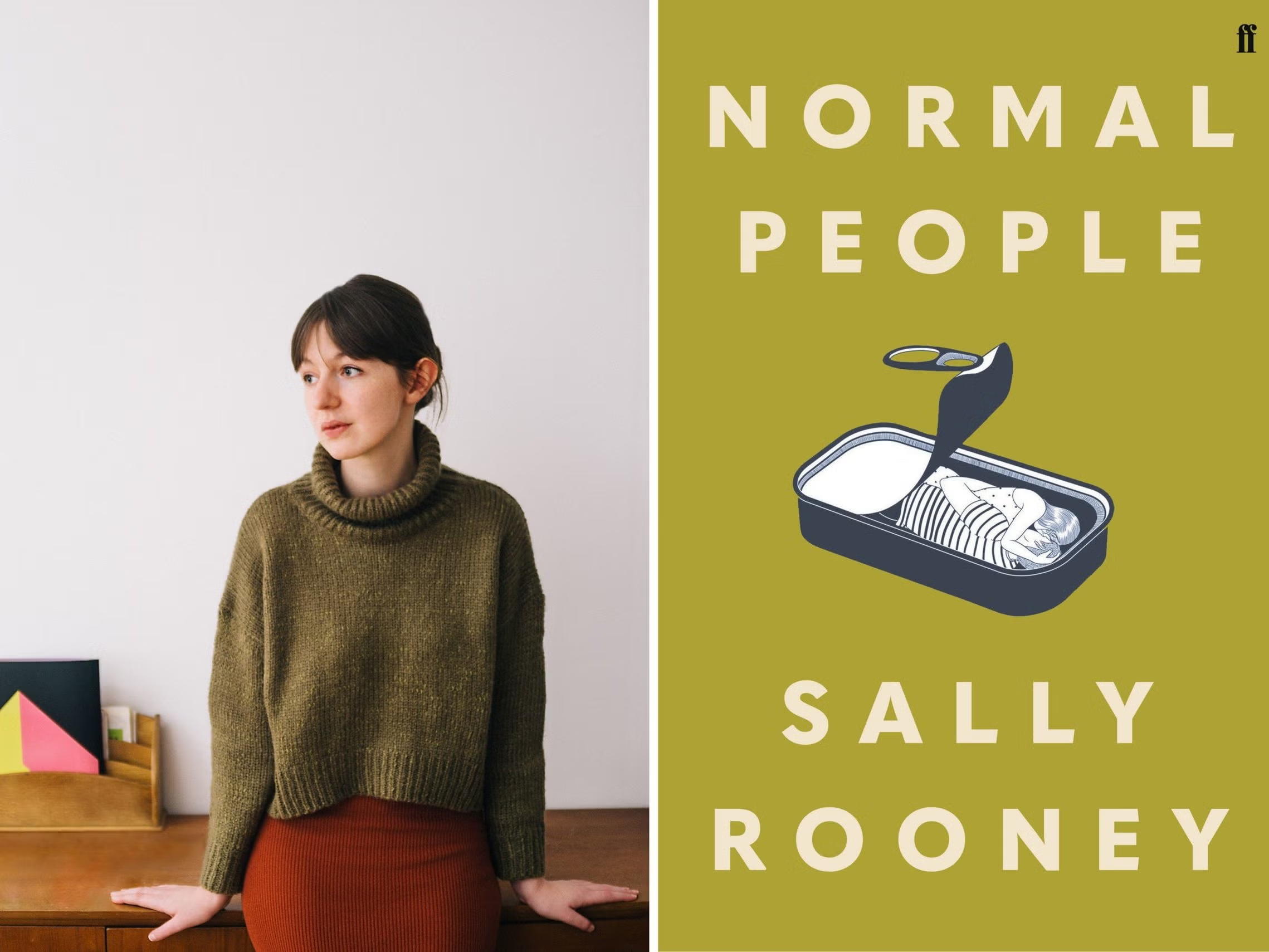
At this point, Sally Rooney is less of a new literary It-Girl and more like the woman who helped define the entire category.
From Conversations with Friends and Normal People to Beautiful World, Where Are You and Intermezzo, Rooney has made emotionally complicated relationships, painfully realistic dialogue, class anxiety, intellectual insecurity, and people who absolutely refuse to communicate properly feel like their own literary universe.
Her characters tend to be hyper-aware of themselves while remaining mysteriously incapable of making their lives easier. They fall in love, misunderstand each other, overthink everything, say too little, and then spend approximately 40 pages thinking about what they should have said.
Few contemporary writers have influenced the look and feel of modern literary fiction quite as much.
If you've somehow avoided the Sally Rooney phenomenon until now, consider this your sign.
Megan Nolan
**Start with: Acts of Desperation**
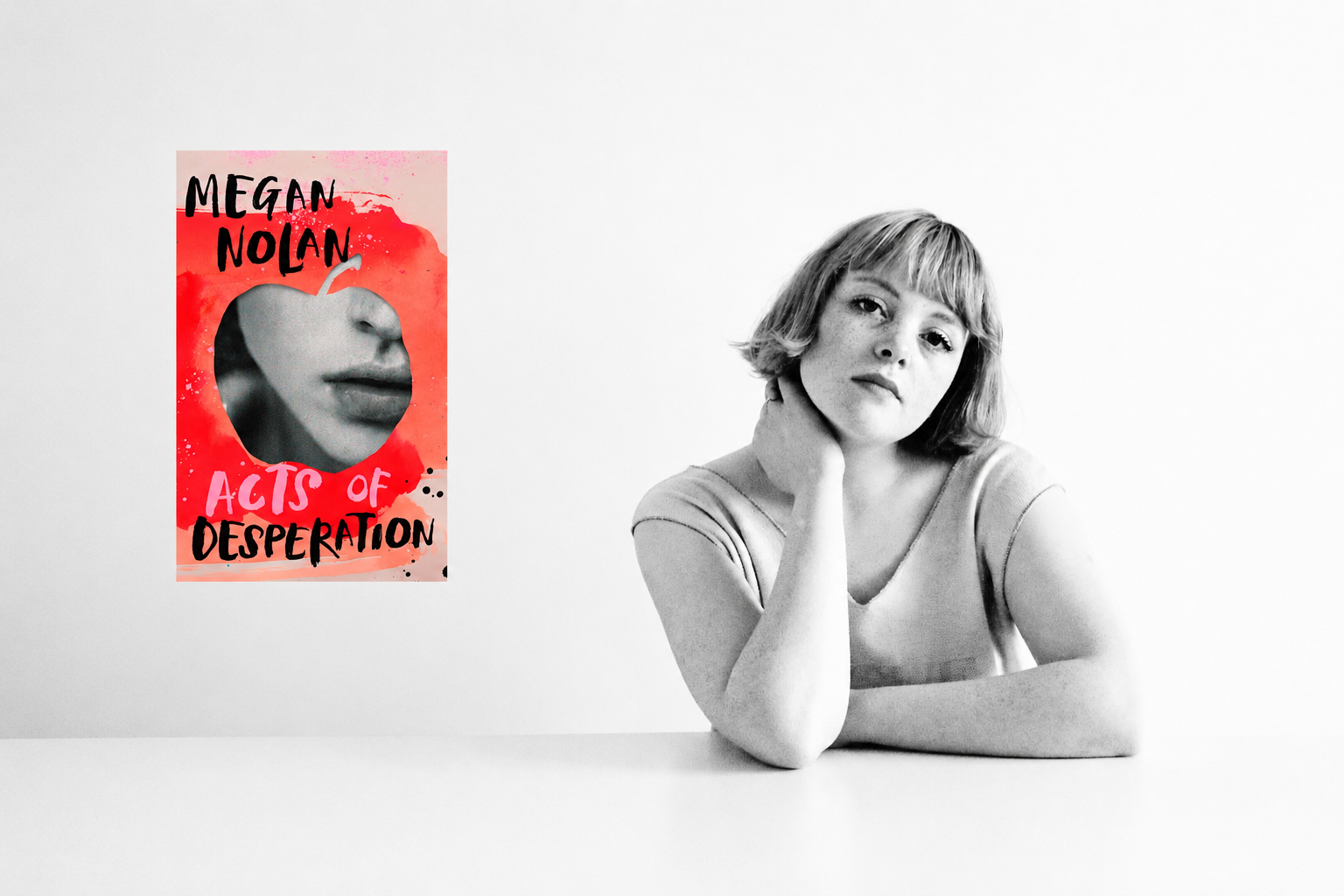
Megan Nolan understands the humiliating side of wanting someone.
Acts of Desperation is an intense examination of obsession, desire, self-worth, and the particular insanity that can come from building your entire emotional life around another person. Her second novel, Ordinary Human Failings, widens the lens, examining family, class, shame, and the machinery of tabloid journalism.
Nolan's writing feels emotionally intelligent without becoming overly polished. Her characters can know exactly why they're making a terrible decision and still make it.
Relatable, unfortunately.
Lexi Freiman
**Start with: The Book of Ayn**
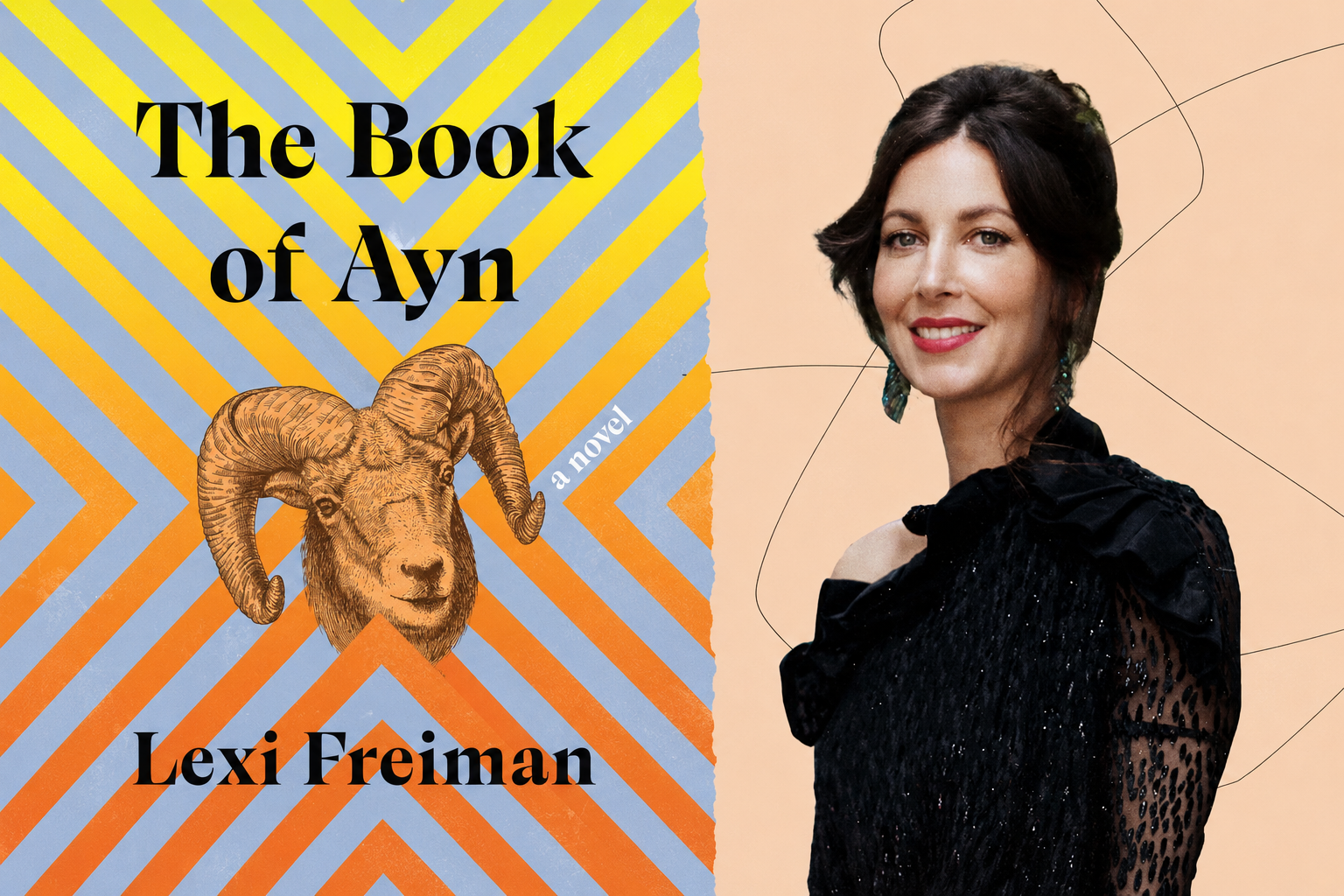
Lexi Freiman is for the reader who likes satire with teeth.
In The Book of Ayn, a disgraced novelist becomes fascinated with Ayn Rand while spiraling through ambition, ego, cancellation, self-improvement, and contemporary intellectual absurdity.
It's strange, provocative, deliberately irritating in places, and very funny.
Freiman isn't really interested in reassuring the reader that they're on the correct side of the joke. That's precisely what makes her work interesting.
Read her when you want something that might make you laugh and then immediately wonder whether you were supposed to.
Honor Levy
**Start with: My First Book**
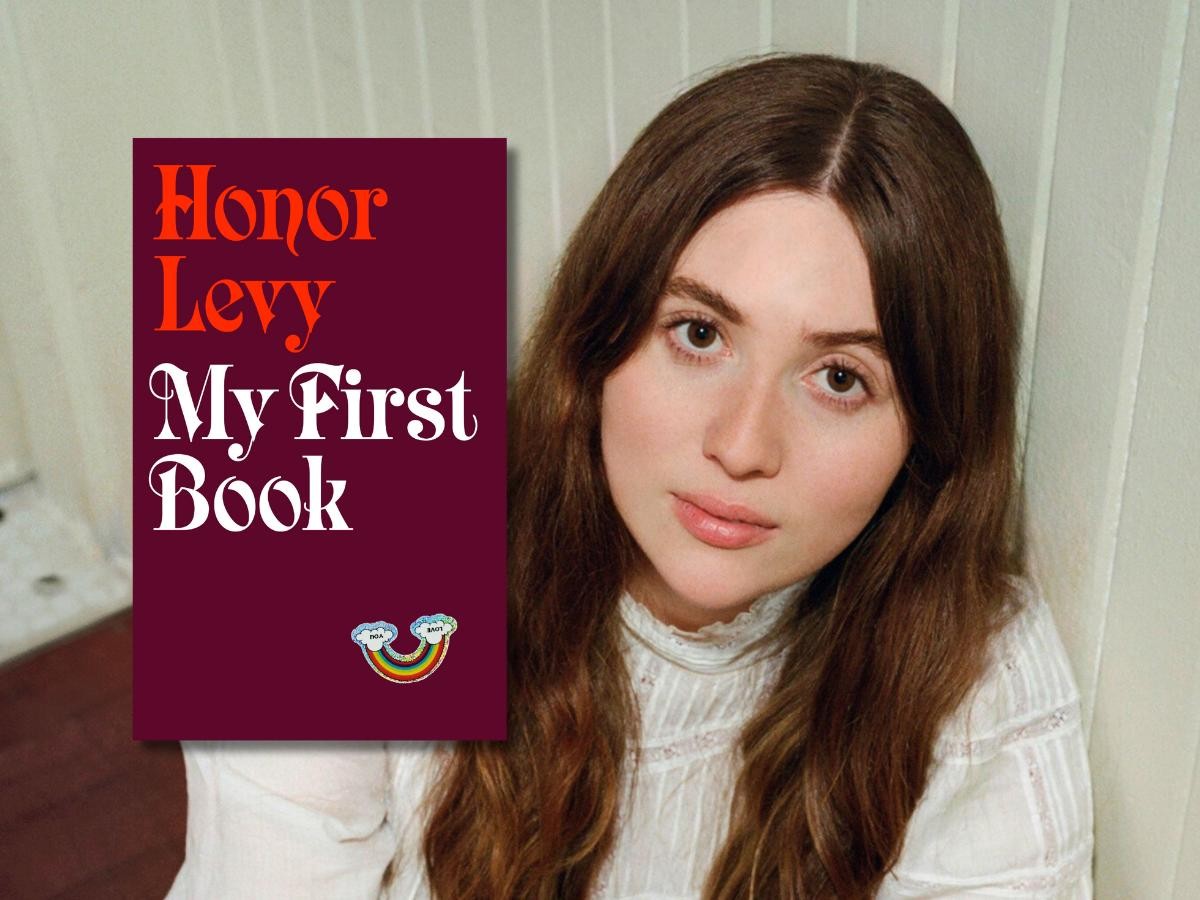
Every generation eventually produces writers capable of translating its particular form of brain damage into literature.
For Gen Z and the extremely online, Honor Levy might be one of them.
Her collection My First Book moves through internet language, digital identities, alienation, relationships, irony, anxiety, and the odd experience of growing up when your online and offline selves are almost impossible to separate.
It won't be everyone's thing—and that's part of the appeal. Levy's writing feels less like traditional contemporary fiction and more like opening 27 browser tabs inside someone's consciousness.
Caro Claire Burke
**Start with: Yesteryear**
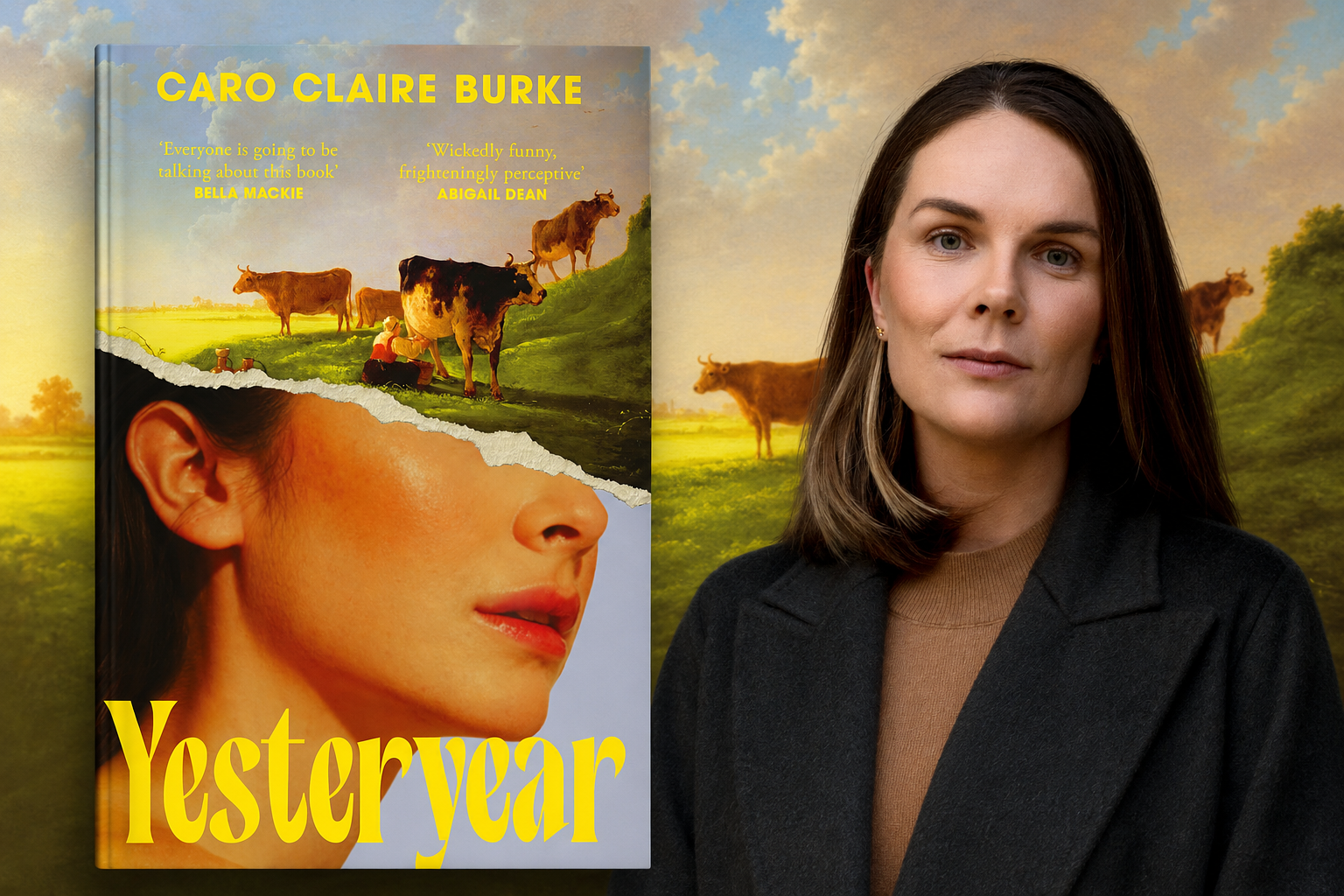
One of the buzziest recent debuts starts with a deliciously ridiculous premise.
In Caro Claire Burke's Yesteryear, a hugely successful tradwife influencer who has built a brand romanticizing old-fashioned domestic life suddenly wakes up in 1805—and discovers that living the lifestyle is significantly less charming than selling it online.
The novel mixes social satire, thriller elements, internet culture, and a very literal confrontation between curated nostalgia and historical reality.
It's the kind of concept that immediately makes you want to hand the book to someone else just so you can discuss it afterward.
The New Required Reading
What connects these writers isn't one particular genre or aesthetic. It's that their books feel unmistakably of this moment.
They're writing about desire, performance, internet culture, female ambition, grief, beauty, shame, power, identity, and the increasingly strange experience of being a person while everyone else is watching.
The literary It-Girl isn't necessarily aspirational anymore.
She might be obsessive. She might be unreliable. She might have 46 unread texts, a questionable relationship, and an internal monologue that should probably never be made public.
But she definitely has something interesting to say.
Until next week — stay chévere